Groundworks are an essential part of preparing for a new building. Although modular buildings are manufactured off-site, the ground must still be prepared properly before delivery. Suitable foundations, drainage and utility connections help ensure the building is stable, safe and ready to use. These modular buildings still depend on site-specific preparation.
Whether you are expanding a school, adding office space or developing a commercial facility, planning groundworks early can reduce delays and unexpected costs. This guide covers the main considerations before installation and how Paragon Space can help you plan your project.
Why Are Groundworks Important?
Groundworks create a level, stable base that can safely support the building over time. The work required depends on the structure’s size and weight, its intended use and the condition of the site.
For organisations considering modular buildings, Hull suppliers can provide early assessment, which is especially useful where access, space, or ground conditions are restricted. Proper preparation also helps the installation team work efficiently on delivery day.
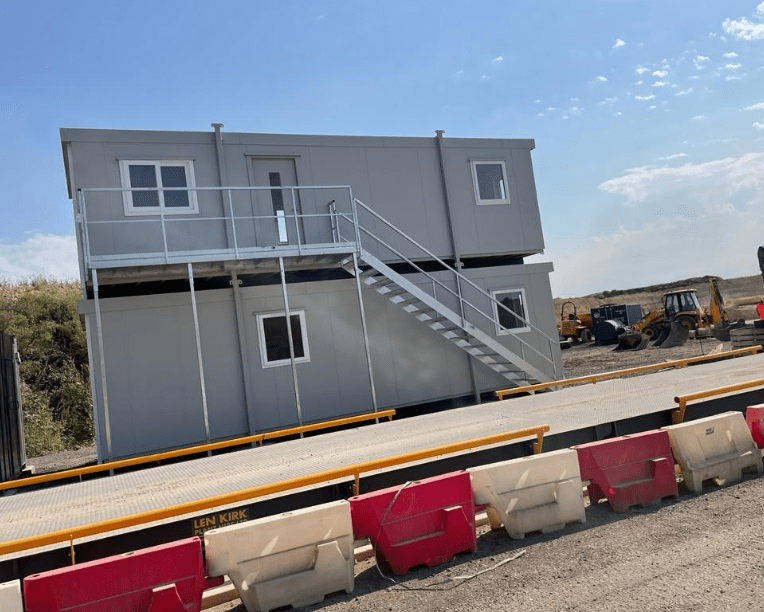
1. Start With a Site Survey
Before foundation work begins, assess the proposed installation area. Depending on the project, a survey may examine ground levels, soil conditions, current structures and underground services.
Main considerations include:
Unfit ground conditions may require further investigation or specialist engineering advice. A full assessment helps understand the work needed and ensures the foundation design suits the building.
2. Clear and Prepare the Ground
Site preparation may involve removing vegetation, rubbish, unsuitable materials and obstacles from the building footprint. Topsoil may need to be removed before the ground is levelled. Depending on the site, excavation, filling and compaction may also be required.
Poorly compacted ground can sink if it is left as it is, which would affect the building’s level and add stress to its supporting structure. Access must also be assessed. Delivery vehicles need suitable routes, and cranes may need firm, level ground to operate safely.
3. Choose Suitable Foundations
The right foundation depends on the building design, ground conditions, structural loads and whether the installation is temporary or permanent. An experienced modular building manufacturer can help establish the building’s requirements and coordinate technical advice.
Common options include:
Concrete pad foundations
Individual concrete pads sit beneath designated load-bearing points. They can provide stable support while limiting excavation compared with some continuous foundation designs. Their size, depth and position must suit the building loads and ground conditions.
Strip foundations
These continuous concrete foundations sit beneath supporting walls or structural lines. They may suit some larger or more permanent developments, depending on the design and site. They generally require more excavation and concrete, so their suitability should be assessed carefully.
Adjustable jack pads
Adjustable steel supports may suit certain installations where a less intrusive foundation arrangement is appropriate. They can accommodate minor level variations, but they are not suitable for every site. Ground-bearing capacity, manufacturer specifications and structural requirements must all be considered.
Foundations should never be chosen on convenience alone. The solution must safely support the building and meet the project's specific needs.
4. Plan Drainage and Utilities
Water, electricity, drainage and data connections may require underground ducting or pipework. Agree their routes during planning to avoid reopening finished ground or disturbing completed foundations.
Drainage needs particular attention. Poorly managed surface water can collect around the building, affect access and contribute to ground problems. Depending on site conditions, solutions may include drainage channels, soakaways or connections to an existing network.
For projects involving modular buildings, Hull and local organisations need to coordinate drainage and utilities early to make better use of available space and reduce disruption.
5. Prepare for Delivery and Installation
Even when a building is manufactured in a controlled factory environment, transporting and placing it entails careful coordination. Before delivery, check that:
Agree delivery and lifting arrangements with the installation team in advance. Competent professionals should assess crane positions, lifting requirements and ground conditions. Early planning is particularly important where access or working space is limited.
6. Complete the Final Groundworks
Further work may be needed after the building is positioned to make it safe and accessible. This can include steps, accessible ramps, handrails, pedestrian paths, perimeter drainage, paving and landscaping.
Coordinate these activities with installation so they do not interfere with lifting operations or restrict contractor access. Entrance arrangements and external routes should suit the people using the building and meet applicable requirements.
.jpg)
Why Choose Paragon Space?
Planning groundworks alongside the building design helps keep responsibilities, technical requirements and timescales aligned. Paragon Space, a modular building manufacturer, provides customised building solutions for education, healthcare, commercial and industrial sites.
Every project has different requirements, so early discussions about the site and installation can help identify what needs to be arranged. If you need a modular building manufacturer, choosing a supplier that understands the importance of site preparation can help you plan with confidence.
Ready to Start Your Project?
Good groundworks support a successful installation. Assessing the site, selecting suitable foundations, planning drainage and confirming delivery access can prevent avoidable problems and create a stable base for your facility.
Whether you need a classroom, workplace extension, or additional operational space, Paragon Space can help you explore a solution that meets your requirements. If you are considering modular buildings Hull businesses rely on, contact the team to discuss your project and next steps.